

Five pillars, one mathematical core, three ways of working
A pillar is a research field with its own questions, projects and publications. Methods are shared and described once. Anything that is a property of all our work is a dimension of how we work — not a sixth pillar.
Where the research happens
Cooperative Traffic Management and CCAM
Uncoordinated automation makes intersections worse, not better. A deployed motorway control system, the H2020 MAVEN field measurements, and control by negotiation rather than by tuned rules.
Explore Pillar 2Transport Digital Twins
The hard part is not building the twin. It is knowing when to stop trusting it. An operational Prague corridor twin at GEH below 5, a ministry-endorsed methodology, and drift read as information instead of re-fitted away.
Explore Pillar 3Travel Behaviour and Mode Choice
Policy is written for people who are paying attention. Most travellers are on autopilot. Four-country MaaS evidence, our own data collection, and choice models that represent when deliberation switches on.
Explore Pillar 4Transport Demand Modelling and Synthetic Populations
An aggregated model reproduces flows but cannot say why. A synthetic population and its daily activities built from the ground up, simulated at metropolitan scale.
Explore Pillar 5Public Transport Quality and Service Paradigm Design
Every optimisation assumes the operating paradigm was already chosen. We put that choice — fixed, hybrid or on demand — and the quality it delivers back into the mathematics.
ExploreThe methodological core
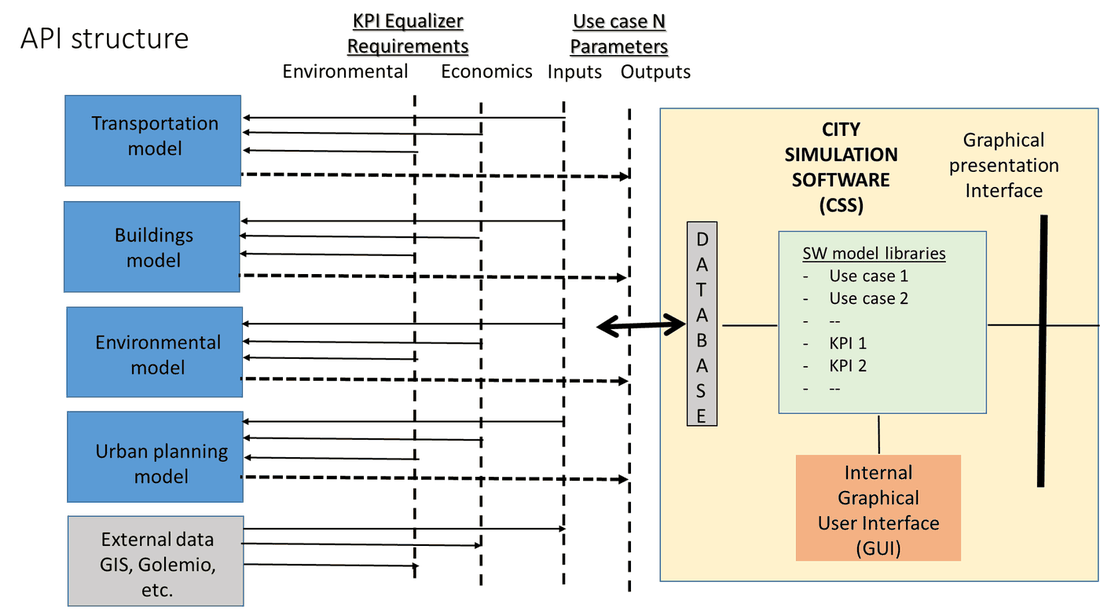
Six competence groups shared by every pillar: mathematical modelling and econometrics; soft computing and artificial intelligence; statistics and data processing; operations research; traffic modelling and simulation; and impact assessment, validation and virtual testing.
They are described once, in one place, so that a partner reading this site sees a single consistent answer to the question of what we can do.
Properties of everything we do
These are not pillars. They are the character of the work, and they show up inside all five fields.
Sustainability and resilience
Networks optimised purely for efficiency are fragile. We quantify the trade-off through a four-phase assessment — prevent and prepare, absorb, adapt, recover — rather than asserting it. RESISTRANS is the platform where this happens at national scale.
Science for policy
An indicator that never becomes an instrument someone can act on is unfinished work. Concretely: a methodology endorsed by a ministry, a control system in daily operation, a decision toolset in a municipal control centre, and a granted patent.
Human-in-the-loop and explainability
Operators and regulators reject systems they cannot interrogate, and they are right to. A liability question after an incident is answered with an explanation, not an accuracy score — so our AI and our twins are built to be interrogated.
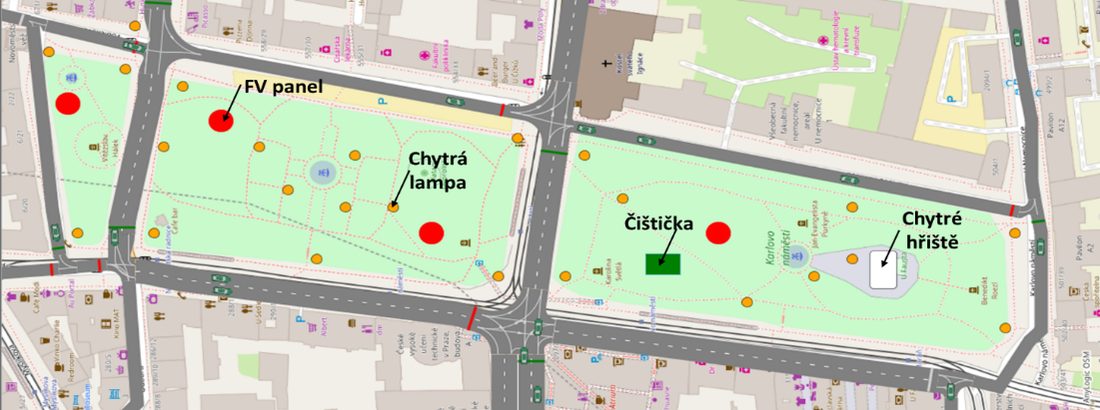
Where the models meet the street
The long version
This site is the short form. The full evidence dossier — every project with its grant number and budget, every publication with its DOI, and the figures at full resolution — is available on request.